When Multiple Suppliers Handle Maintenance, the Problem Isn't Always the Equipment
Each team may see only part of the problem. One supplier records a symptom, another arrives later without the full context, and the building manager ends up trying to piece together what happened, who is responsible and what the next step should be. The result is often slower diagnosis, repeated explanations and avoidable delays.
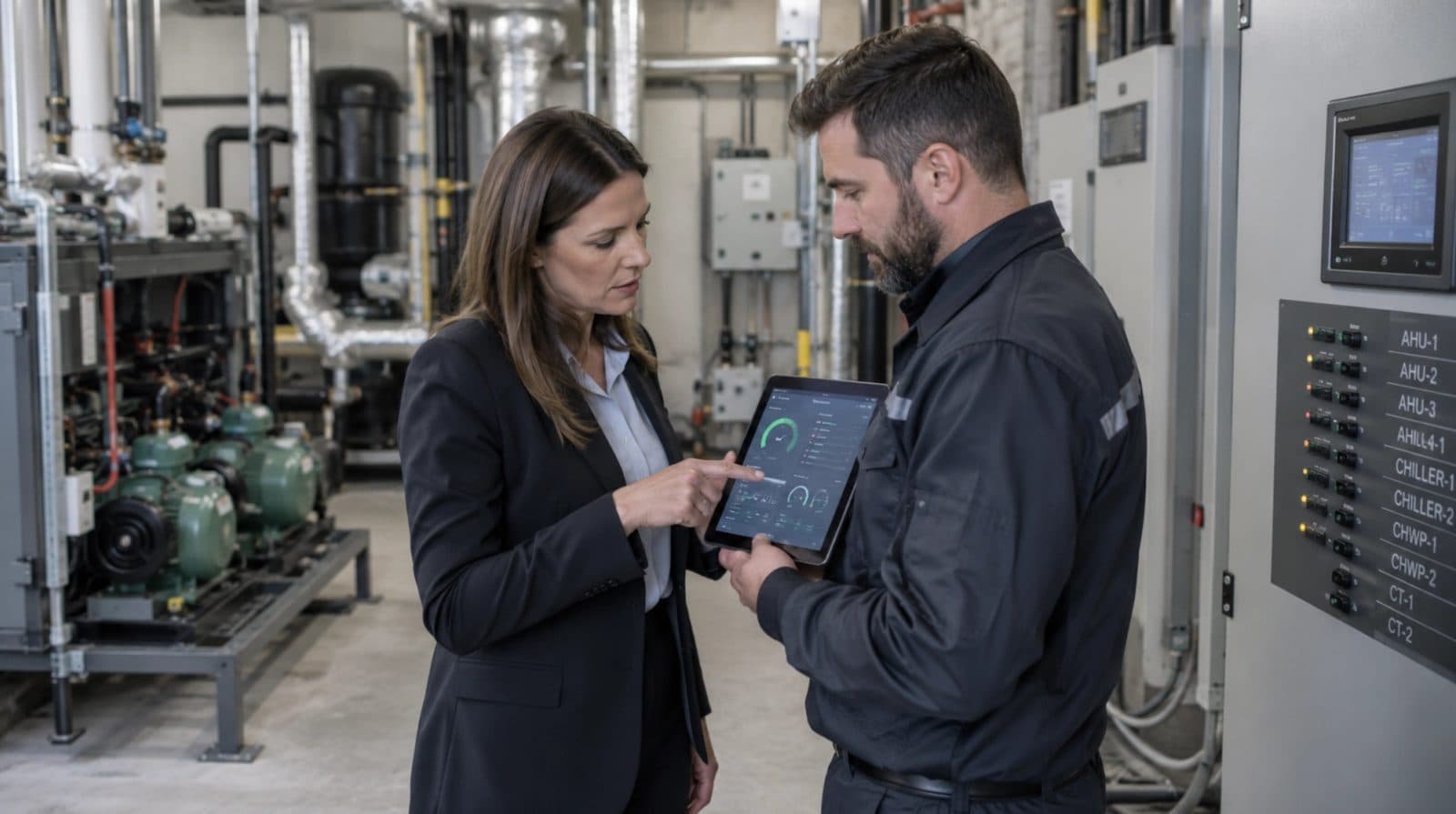
When electrical faults, HVAC problems and refrigeration incidents are handled by different suppliers, the biggest problem is not always the equipment. It lies in the coordination between teams.
Each team may see only part of the problem. One supplier records a symptom, another arrives later without the full context, and the building manager ends up trying to piece together what happened, who is responsible and what the next step should be. The result is often slower diagnosis, repeated explanations and avoidable delays.
For property managers and building administrators, this is far more than a minor inconvenience. It affects tenant satisfaction, maintenance planning, operational confidence and, in many cases, cost control.
Why fragmented maintenance creates avoidable problems
In buildings where technical maintenance has evolved over time, it is common to end up working with different suppliers for different systems. On paper, this may seem manageable. In practice, it often creates coordination problems between the various teams.
The most common problems include:
- Information that has to pass through several contacts
- Suppliers working with incomplete information
- Recurring faults treated as isolated incidents
- Slower diagnosis because nobody has the full maintenance history
- Inconsistent reporting across the different systems
None of this necessarily means the suppliers are not qualified. It usually means that the maintenance structure itself is fragmented.
What changes with an integrated technical approach
A more coordinated model brings electrical, HVAC and refrigeration support together within a single process. This does not mean every problem is the same or that every building needs the same solution. It means technical management becomes much clearer.
The practical benefits are clear:
1. A single point of contact
Having a single technical partner reduces confusion. Instead of coordinating several suppliers, the building manager has one contact for incidents, planning and follow-up.
2. Better fault diagnosis
When the same team can consult the full maintenance history, it is easier to identify the root cause of a recurring problem. This can avoid repeated call-outs to fix the same underlying issue.
3. Greater continuity between corrective and preventive maintenance
Corrective repairs are important, but they are only part of maintenance. If the same team also handles preventive maintenance, it is easier to turn what was learnt during an incident into planned actions for the future.
4. Clearer reporting
Integrated support usually gives building managers more consistent information on what happened, what was done and what needs attention next. This makes budgeting, prioritising work and internal reporting easier.
5. Greater operational control
When the different systems are connected within the same maintenance process, accountability and control improve. Not because the paperwork is tidier, but because decisions are made with a more complete technical view.
Why this matters in the day-to-day running of a building
The value of coordinated maintenance becomes especially clear when an incident occurs. A fault in one system can affect different areas of a building's operation. If refrigeration, HVAC and electrical infrastructure are managed separately, the response can be slower and less coordinated than it needs to be.
In buildings with high levels of activity, this can mean:
- More downtime
- More tenant complaints
- More pressure on in-house teams
- Greater risk of recurring incidents
- Less predictable maintenance costs
A coordinated process will not eliminate every fault. No maintenance strategy can. But it can make the response faster, communication clearer and decisions better informed.
What building managers should look for in a technical partner
If you are reviewing your current maintenance structure, it is worth asking a few practical questions:
- Can a single partner coordinate electrical, HVAC and refrigeration incidents?
- Is there a clear record of incidents, repairs and maintenance history?
- Are recurring faults analysed, or simply repaired again?
- Do the reports help you make decisions, or simply record activity?
- Is there continuity between preventive maintenance visits and corrective interventions?
These questions matter because maintenance is not only about fixing faults. It is about keeping the building operational, reducing risk and helping the management team stay in control.
The real benefit: fewer coordination problems and better decisions
A single coordinated process does more than simplify supplier management. It also improves the quality of technical management.
When the same partner can follow up an incident with the different systems, buildings and maintenance history in view, it becomes much easier to spot patterns, prioritise work and avoid unnecessary delays. That is where an integrated technical service can make a real operational difference.
For property managers and building administrators, the goal is not to have more suppliers. It is to have a maintenance structure that provides clarity, continuity and accountability.
If your current model feels too reactive or difficult to manage, it may be worth asking whether the problem really lies with the equipment… or with the way maintenance is coordinated.
How do you currently manage technical maintenance of your electrical, HVAC and refrigeration systems: supplier by supplier, or through a single coordinated process?
Jason Leven
MRS Climatización